What Jill McGowan Knows About a Good Shirt
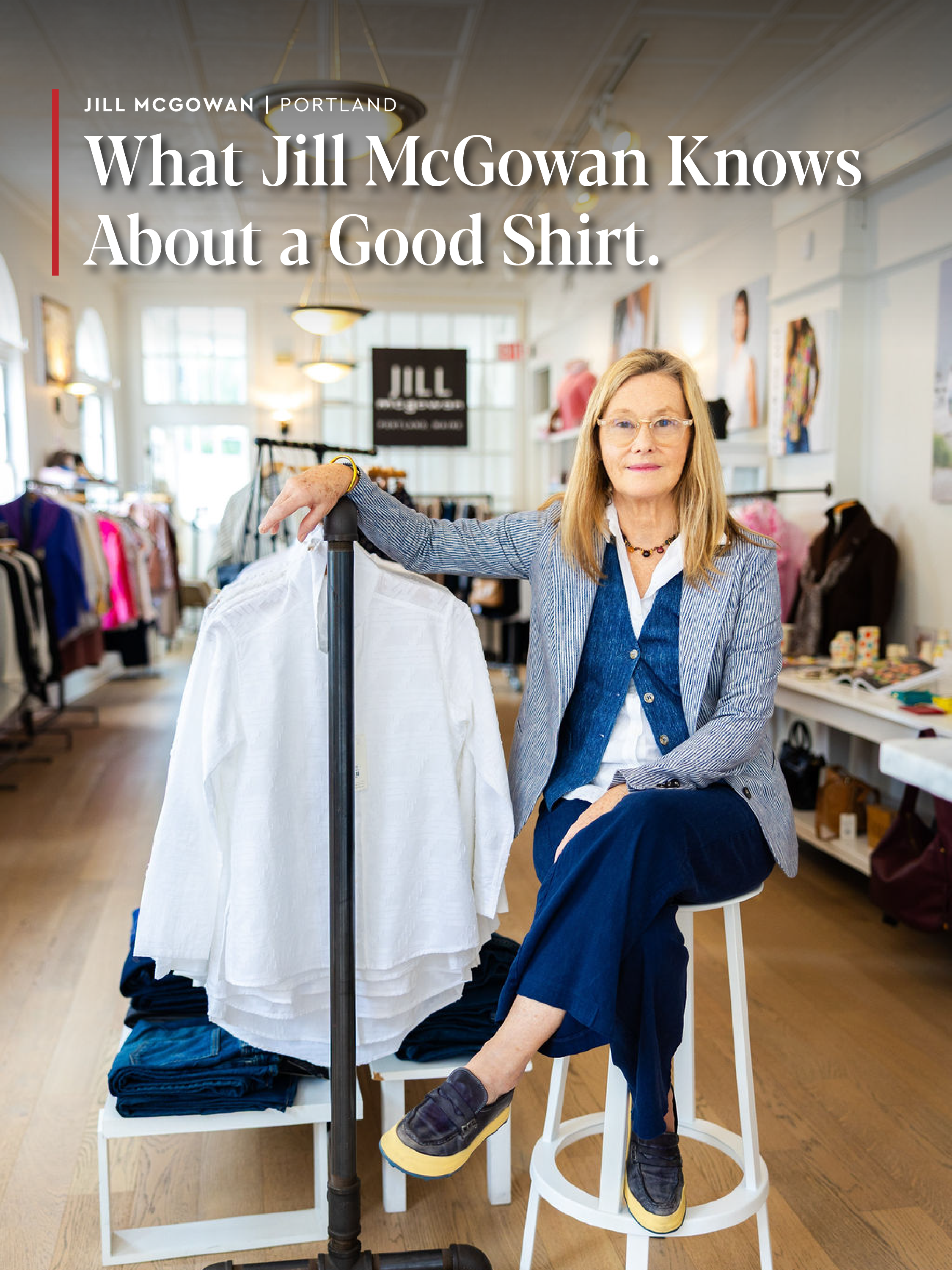
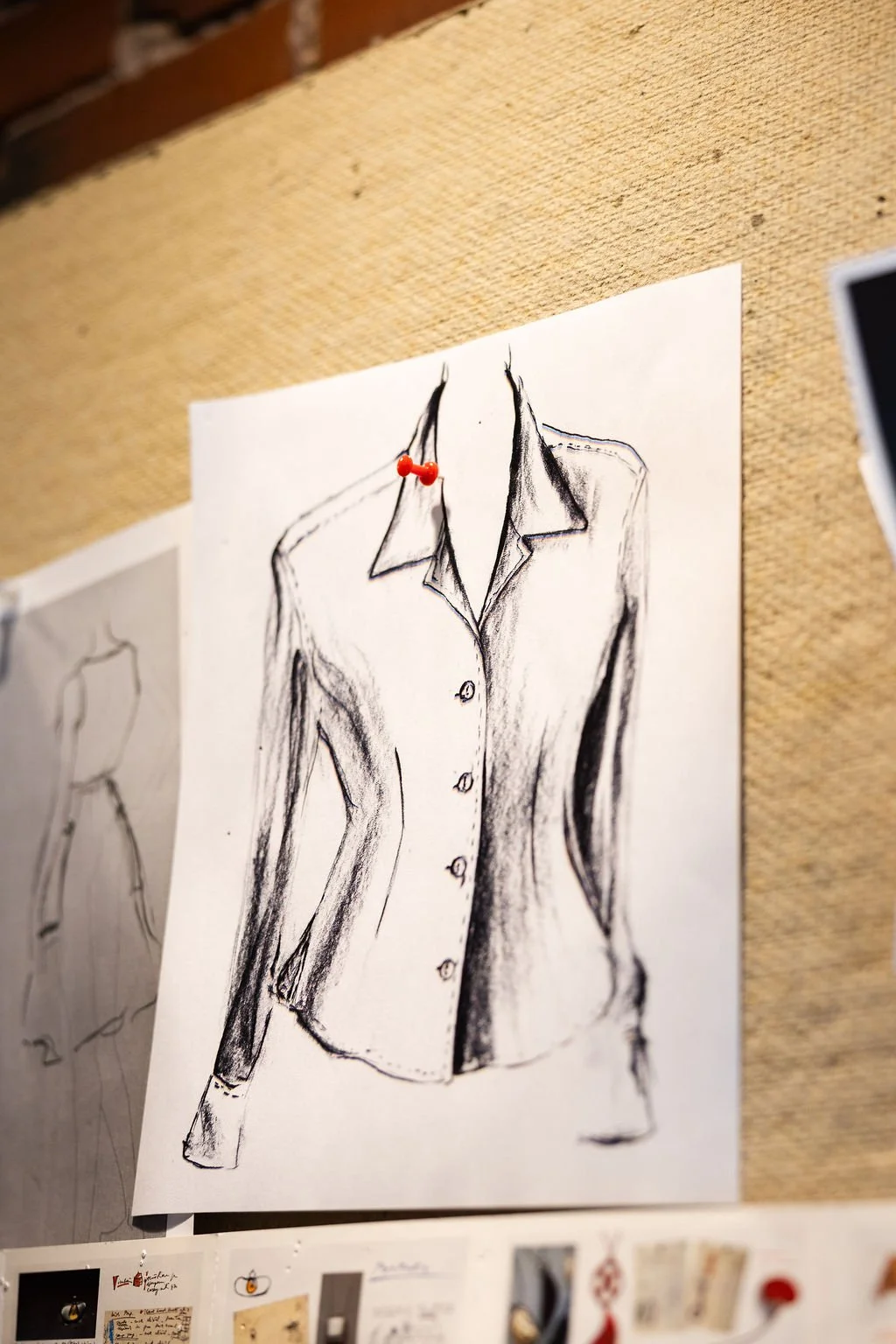
You might think there are only so many ways to make a shirt. Two sleeves, a collar, a few buttons. But after more than 30 years and hundreds of designs, Jill McGowan still finds things she'd like to change.
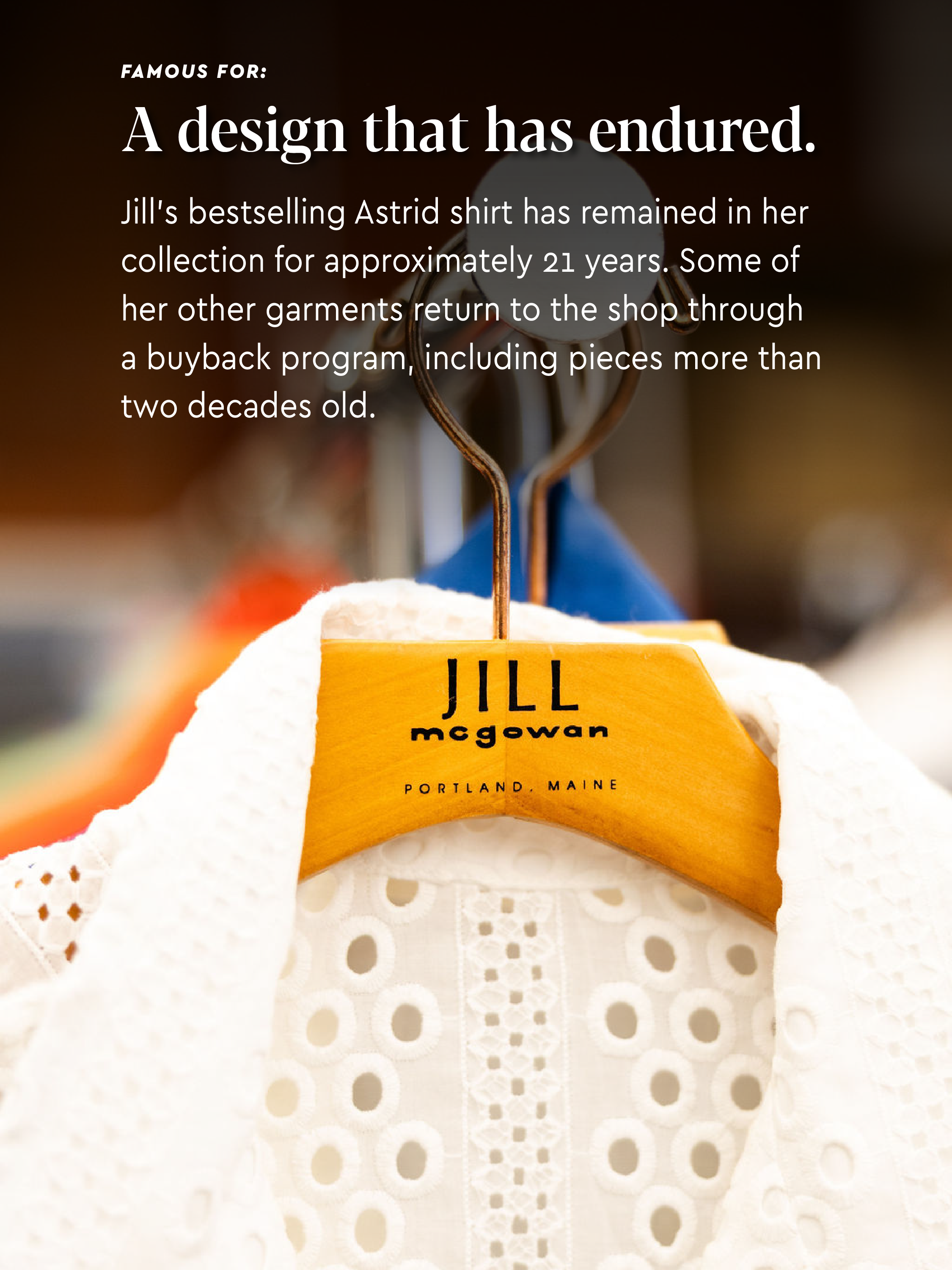
A seam here. A different silhouette there. A fabric worth trying. Some designs come and go, while others stick around for decades. One of her bestselling shirts, the Astrid, has been in her collection since approximately 2005. In fashion, where an entire wardrobe can become outdated between seasons, that's a pretty remarkable run.
But McGowan has never been particularly interested in keeping up with fashion.
She grew up in Pittsfield, Maine, studied at New York's Fashion Institute of Technology, and returned home in the early 1990s, when building a career in clothing design outside a major fashion center wasn't exactly straightforward. An opportunity at C.F. Hathaway Shirt Company in Waterville changed everything.
Hathaway made men's shirts, and made them exceptionally well. McGowan worked in product development, studying the many steps involved in constructing a garment and the remarkable efficiency of a factory that had perfected its process. She was impressed by the quality, but something bothered her.
Why weren't women getting shirts made to the same standard?
She tried to persuade Hathaway to revive its women's line. When that proved impractical, she decided to make the shirts herself, with the company's encouragement.
In 1994, McGowan launched her namesake label in Portland with six designs, one beautiful Egyptian cotton broadcloth, and a willingness to knock on doors. She began approaching retailers directly, building wholesale accounts one by one. Nordstrom became an important early customer, carrying her line on the West Coast for several years.
National attention followed. A campaign by Cotton Incorporated helped introduce her designs to a much wider audience. Her work appeared in major publications, and Martha Stewart became a customer. After visiting McGowan during a New England tour and featuring her on her blog, Stewart invited her onto her daytime television show in 2010.
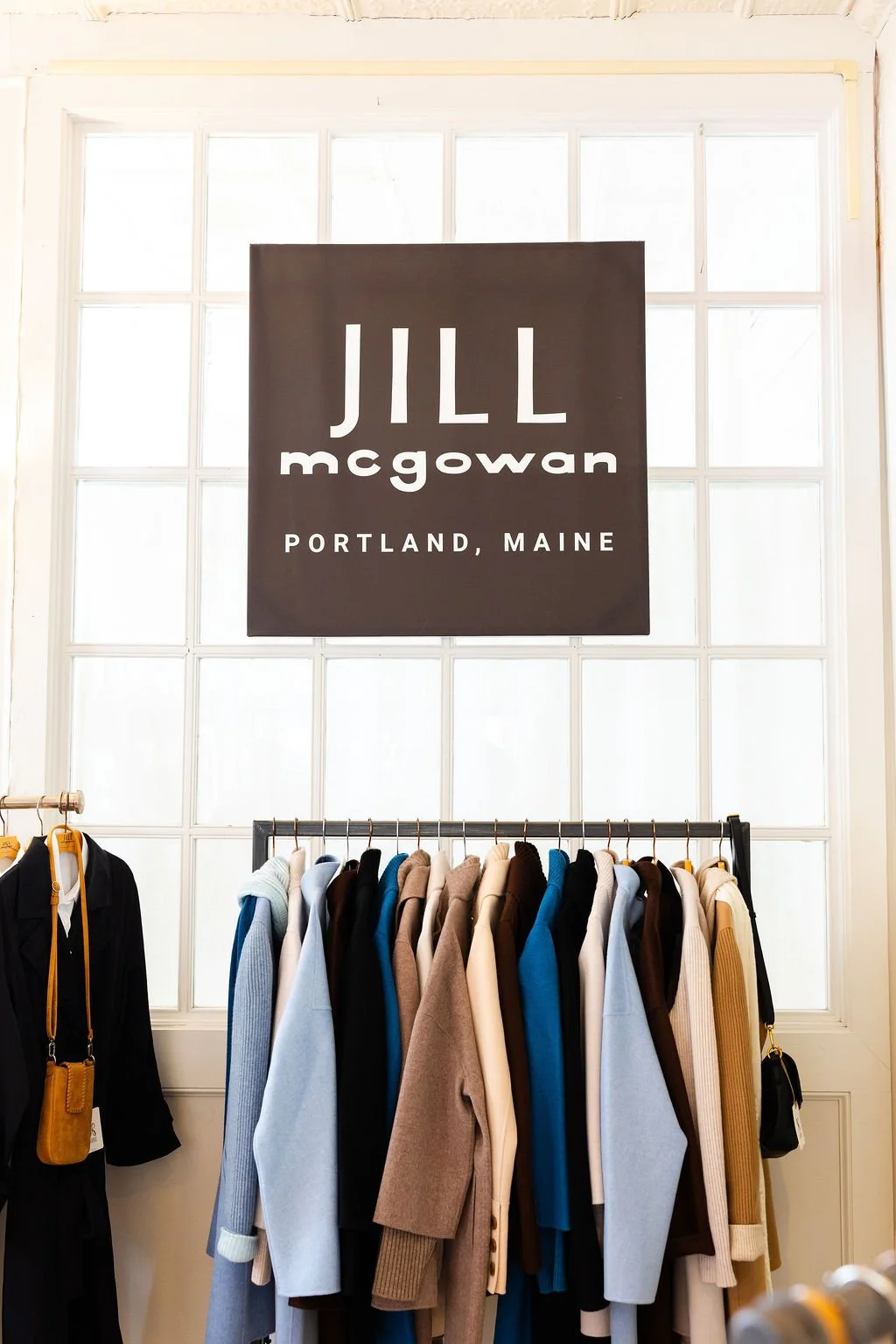
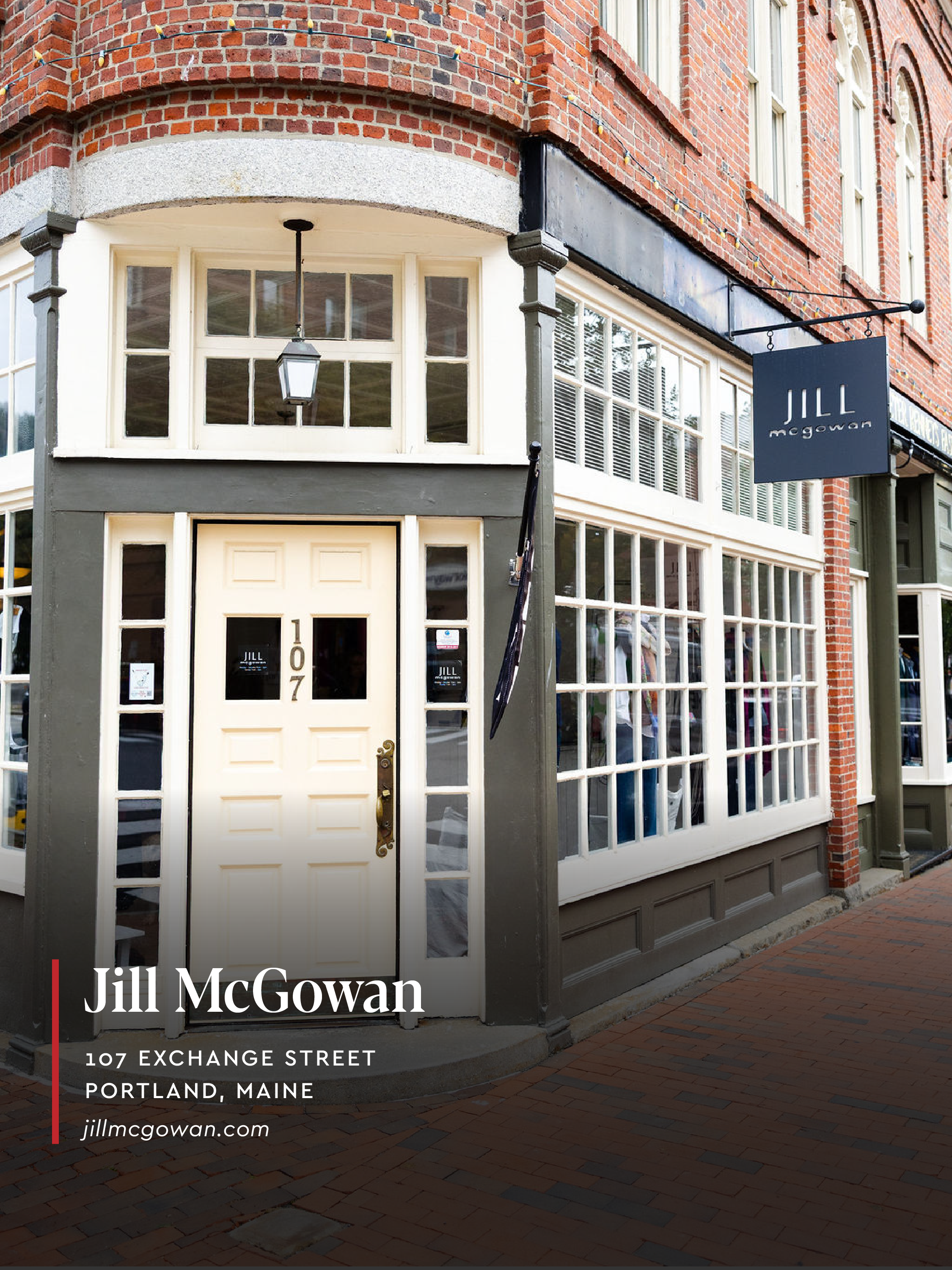
By then, McGowan had already built a substantial wholesale business. What began in a spare bedroom eventually grew into a Portland design studio and, somewhat unexpectedly, a retail store. She had never planned to become a shopkeeper, but during an economic downturn, excess inventory prompted a series of successful pop-up shops. In 2010, she opened a permanent boutique.
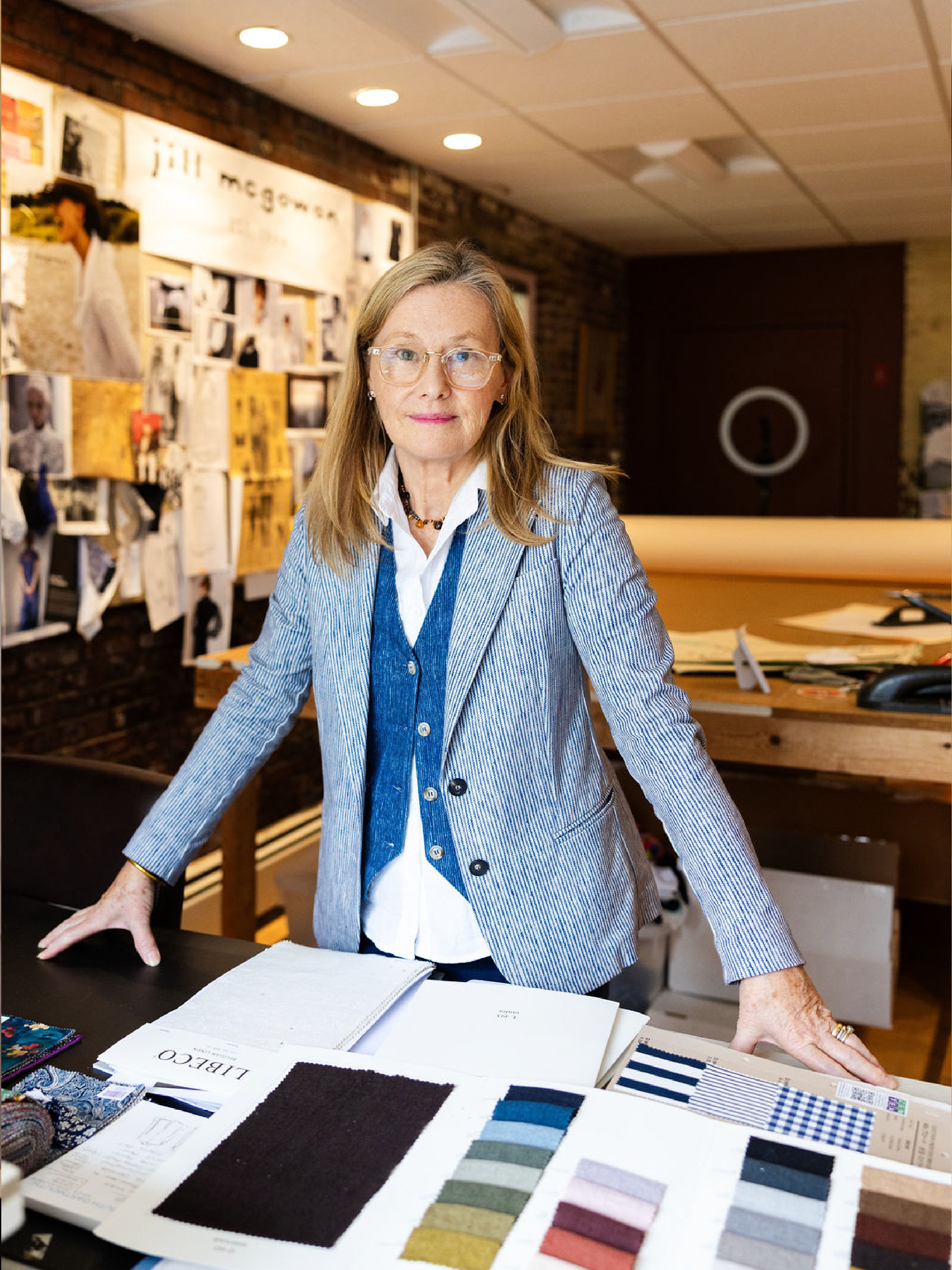
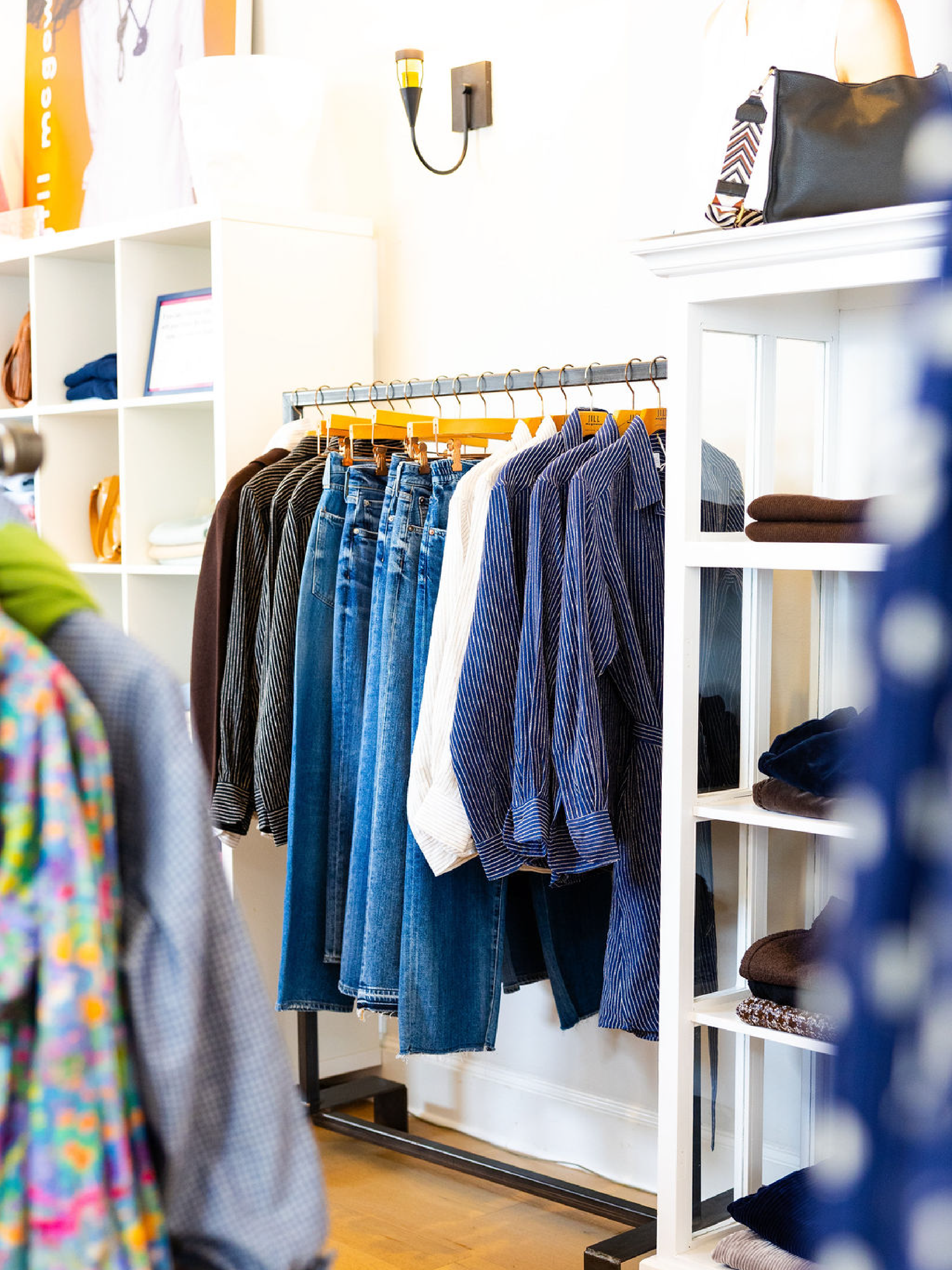
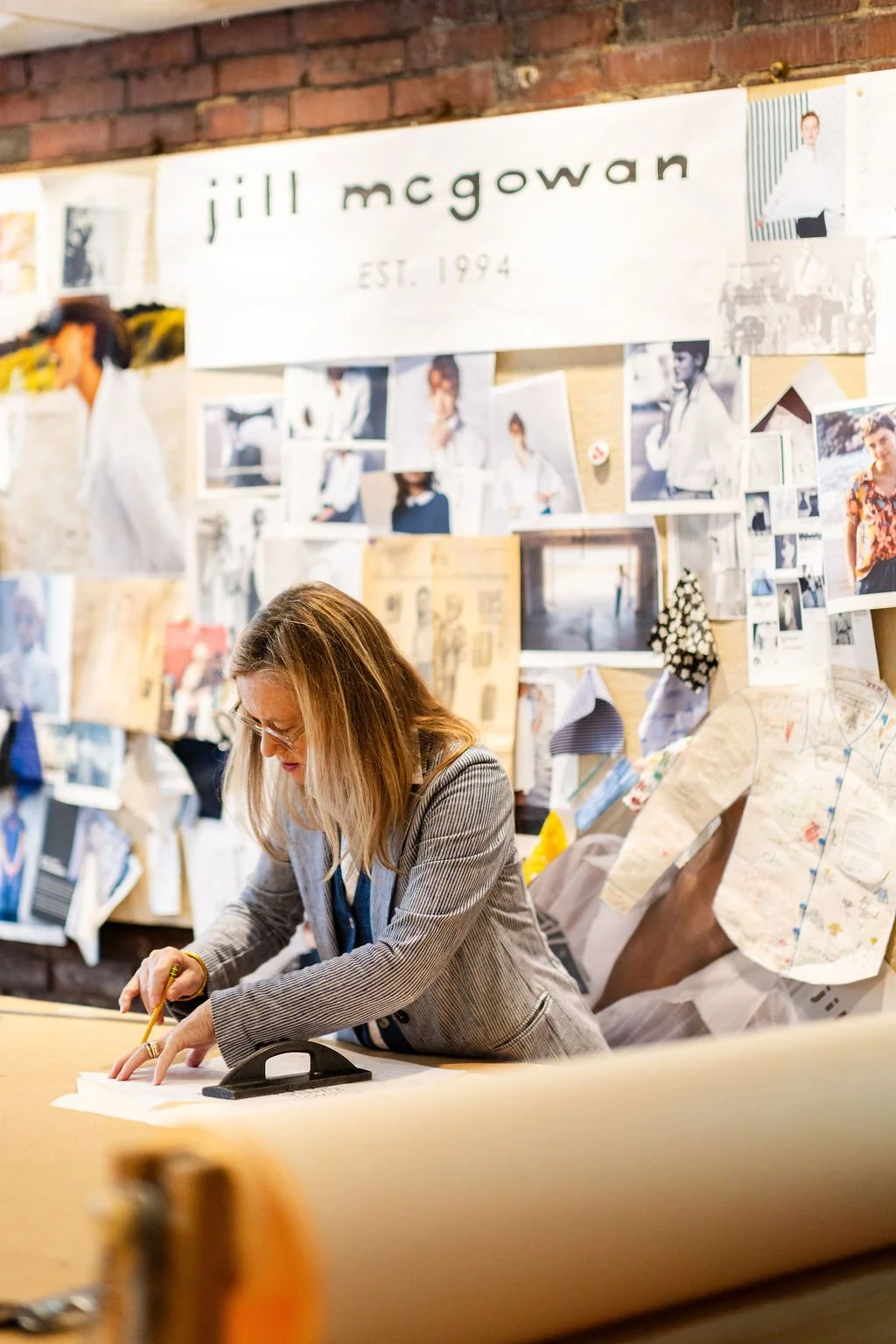
Today, retailers in Cape Cod, Napa Valley, La Jolla, and Florida sell her clothing, as well as her own store and website. The Portland boutique carries her designs alongside carefully selected pieces from other makers. In her studio, just a ten-minute walk from her shop, McGowan and her team continue developing the shirts that built the business.
And she's still particular about how they're made.
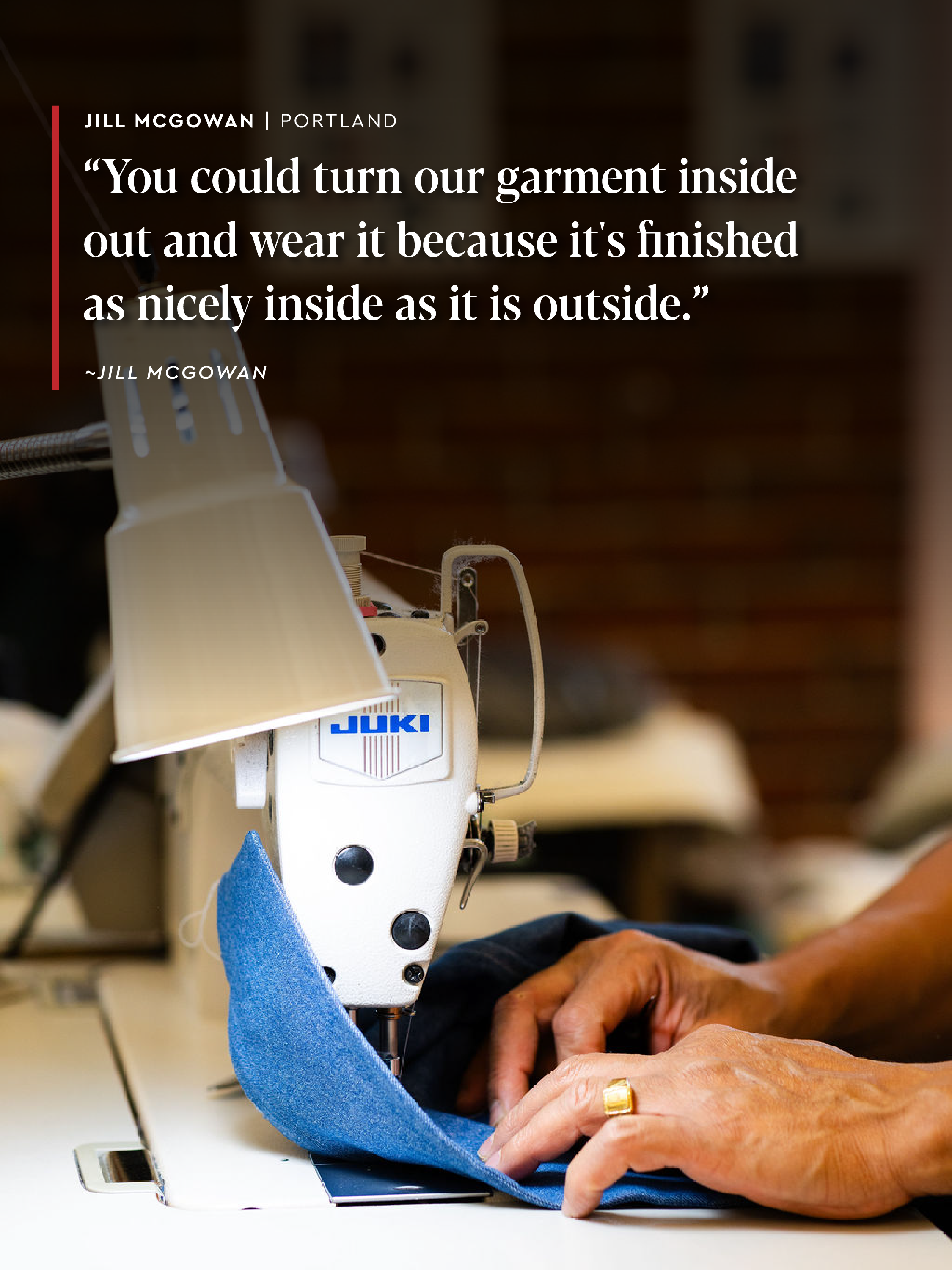
McGowan favors natural fibers, including fine cottons and Belgian linen, chosen as much for their longevity as their appearance. Her garments incorporate single-needle tailoring, a construction technique that creates exceptionally neat seams.
"You could turn our garment inside out and wear it because it's finished as nicely inside as it is outside," she explains.
It's a detail most customers might never notice. That's rather the point.
The construction takes time, and the materials aren't inexpensive. McGowan understands that a $250 shirt isn't for everyone. She also believes the price makes more sense when the garment remains in regular rotation for 10 or 15 years.
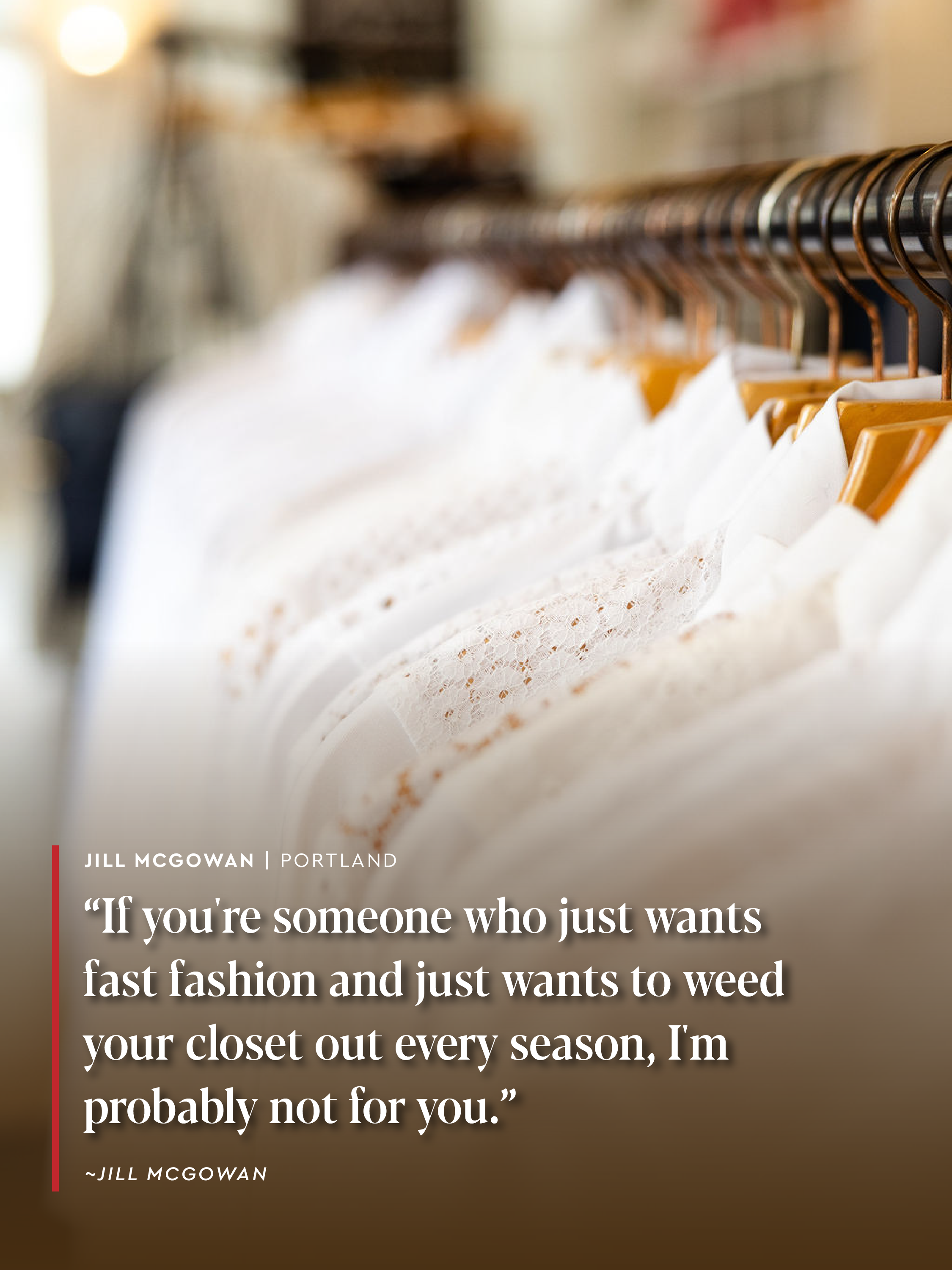
"If you're someone who just wants fast fashion and just wants to weed your closet out every season, I'm probably not for you," she says.
Her commitment to longevity extends beyond the original purchase. Through a buyback program, customers can return previously worn Jill McGowan garments in exchange for store credit. Some pieces are more than 20 years old, still in remarkably good condition and ready for another owner. The vintage collection has become one of the shop's most popular offerings.
For McGowan, quality is also about knowing where the money goes.
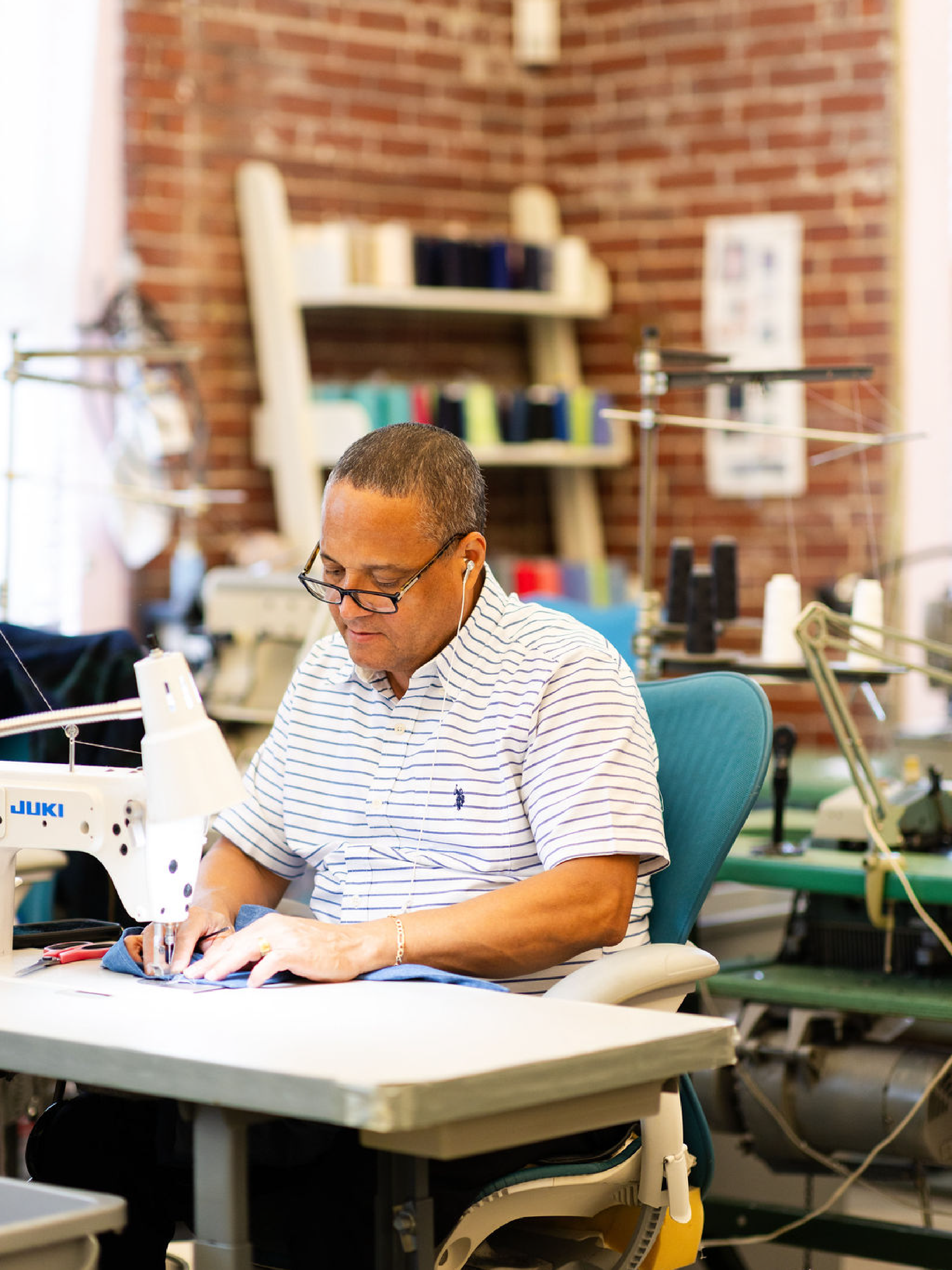
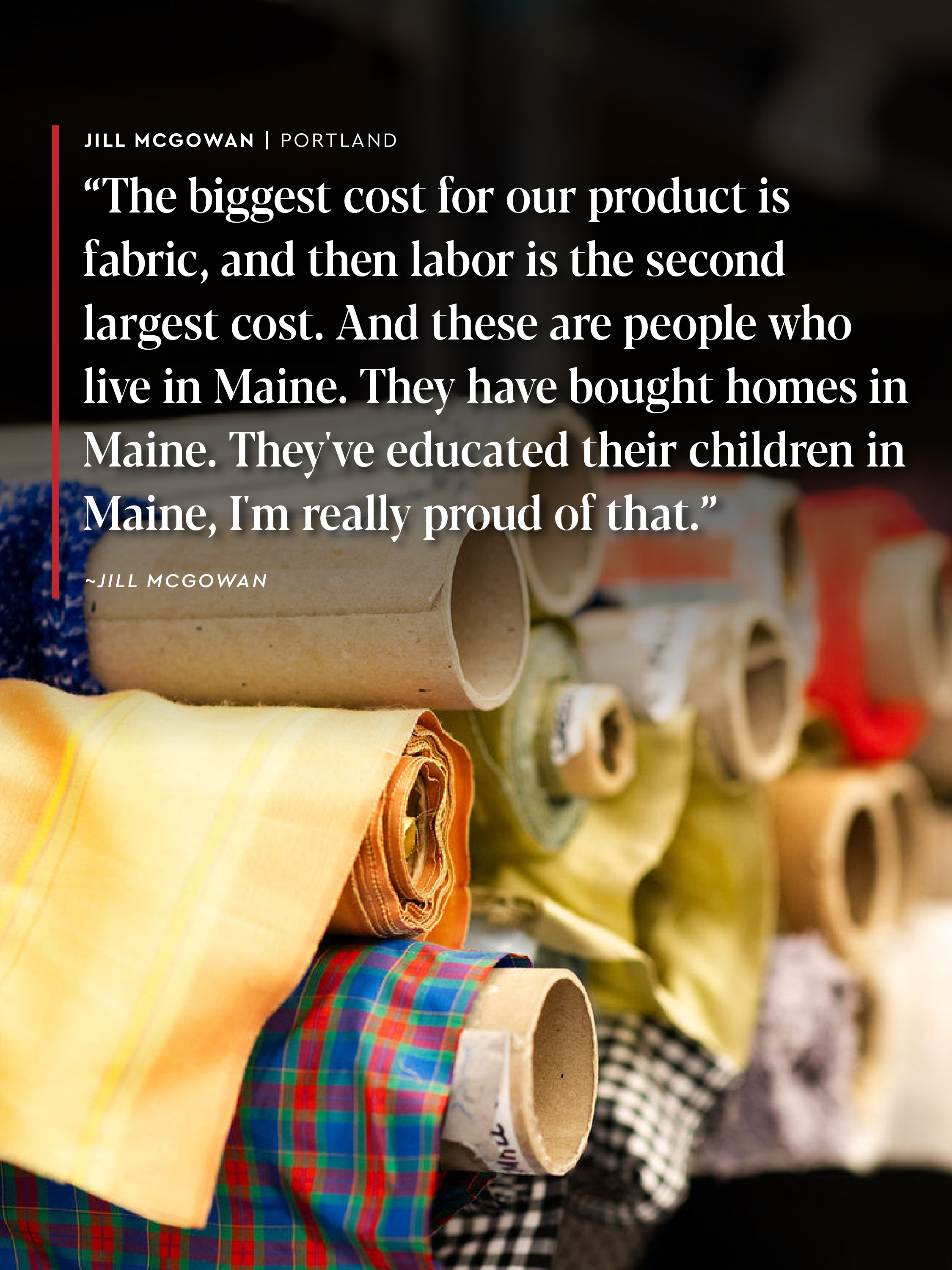
Fabric represents her largest production expense, followed by labor. She employs a small, experienced team in Maine and has made a point of working with local printers and packaging suppliers throughout the life of her business.
"These are people who live in Maine. They have bought homes in Maine. They've educated their children in Maine, and that I'm really proud of," she says of her employees.
It's an approach that predates the current enthusiasm for shopping locally. McGowan traces some of that thinking to her father, who operated Barney's of West Pittsfield, a restaurant built around a short menu of carefully prepared food. Good ingredients, good work, and attention to the people behind both were part of her upbringing.
Still, for someone so invested in construction and craftsmanship, McGowan seems happiest talking about how women actually wear her clothes.
She remembers having brunch with her sister, Jolene McGowan, in New York City when she spotted a woman across the room wearing what looked like one of her designs. Jolene works with Jill promoting the brand and dared her to introduce herself.
Eventually, McGowan approached the woman and asked whether she was wearing Jill McGowan.
She was.
"Well, I'm Jill," McGowan told her.
The woman, an attorney, explained that she owned about a dozen of the shirts and wore them constantly.
After decades in business, encounters like that still make McGowan happy. She knows her designs so intimately that she can often identify a shirt by its fabric and style from across a room.
And despite her commercial success, she isn't interested in selling someone a garment they'll regret buying. When a customer seems uncertain in the fitting room, her advice is simple: Don't buy it.
"If you don't feel comfortable walking out the door right now with this on, you're never going to wear it."
It's an unusual philosophy in an industry built around persuading people they need something new.
But perhaps that's what Jill McGowan knows about a good shirt. The right one doesn't need much persuasion. And if it's made well enough, you might still be reaching for it 20 years from now.
—
107 Exchange St, Portland, ME | jillmcgowan.com
photos by Peter Logue